Budgeting for Home Projects
A practical guide to planning costs for roofing, gutters, siding, and major home improvements
Understanding Home Project Costs
When planning a significant home improvement project, having a realistic understanding of costs makes the entire process less stressful and leads to better decision-making. Budget planning isn't about finding the cheapest option—it's about understanding what different price points represent in terms of materials, labor, expertise, and long-term value. Learning to distinguish between cost estimates helps you make investments that actually protect and improve your home rather than just addressing immediate concerns.
Budget vs. Value
The lowest bid rarely represents the best value for major home systems. Understanding what's included in different price quotes—materials used, labor standards, warranty coverage, and timeline—helps you evaluate true value rather than just comparing numbers.
Hidden Costs and Contingencies
Experienced homeowners know that unexpected issues often arise during major projects. Building a 10-15% contingency into your budget provides flexibility when inspections reveal surprises like underlying structural issues or material availability challenges.
Roofing Project Costs
Roof replacement represents one of the largest home investments most people make, and understanding cost factors helps you budget effectively and evaluate contractor quotes realistically. Total roof costs depend on several interconnected factors including square footage, roof pitch complexity, underlying structural condition, and material selection.
Cost Factors for Roofing:
- Materials: Asphalt shingles, architectural shingles, metal roofing, and premium materials each have different cost profiles and longevity expectations.
- Square Footage: Larger homes mean higher total costs, but per-square-foot pricing often improves on bigger projects due to efficiency.
- Roof Pitch: Steeper roofs require more safety equipment, specialized techniques, and take longer to complete, affecting labor costs significantly.
- Existing Conditions: Underlying damage, multiple layers of existing roofing, or structural issues increase project complexity and cost.
- Local Labor Rates: Regional differences in contractor wages and market competition affect the labor component of estimates.
Professional contractors provide detailed breakdowns separating materials, labor, disposal, and other line items so you understand exactly what you're paying for. This transparency helps you evaluate whether different quotes represent similar scope of work or genuinely different approaches to the project.
Gutter Installation Budget Planning
Gutter systems often receive less budget attention than roofing, but they play a critical role in protecting your home from water damage. Understanding gutter costs helps you invest appropriately in this essential system. Unlike roofing which is easily visible and obviously necessary, gutters' importance only becomes clear when water starts damaging your foundation, landscaping, or siding.
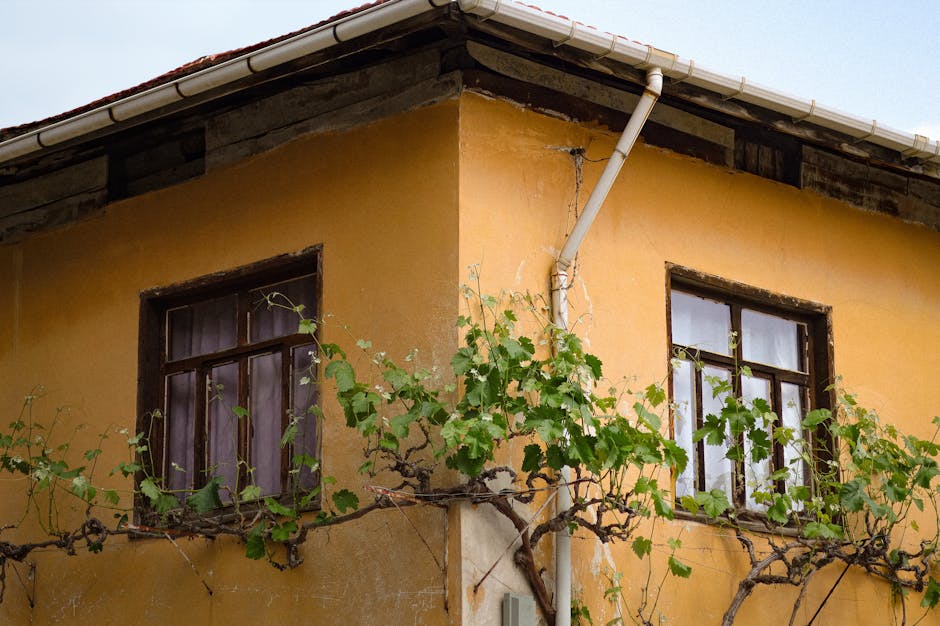
Quality gutter installation requires understanding water flow patterns and integration with your home's overall drainage strategy.
Gutter Cost Considerations:
- Linear Footage: Gutters are priced per linear foot, so home size and roof perimeter directly affect total cost.
- Material Selection: Aluminum, copper, and steel gutters have different price points and longevity profiles.
- Seamless vs. Sectional: Seamless gutters (custom-formed on-site) typically cost more than sectional gutters but offer better water-tightness.
- Installation Complexity: Homes with multiple roof levels, complex corners, or difficult access require more labor.
- Downspout Planning: Proper drainage requires sufficient downspouts and drainage solutions, which affect total project cost.
Many homeowners are surprised by gutter costs because they view gutters as simple channels. Professional installation, however, involves evaluating your home's drainage needs comprehensively. Expert installers consider roof pitch, landscape slope, local rainfall patterns, and how gutters integrate with foundation drainage to recommend systems that actually work rather than just looking correct.
Getting Accurate Estimates
The quality and usefulness of contractor estimates varies significantly. Learning what to look for in estimates helps you compare apples to apples and make informed decisions. A detailed estimate includes specific materials, labor hours, timelines, and often site-specific conditions that affect pricing.
What Good Estimates Include:
Detailed Line Items
Specific breakdown of materials, labor, disposal, equipment rental, and other costs so you understand the estimate composition.
Timeline and Scope
Clear description of project scope, expected timeline, warranty coverage, and what conditions might affect schedule or cost.
Material Specifications
Specific products and brands to be used, including grade or quality level, so you understand material costs and quality standards.
Terms and Conditions
Payment schedule, contingency procedures, insurance and licensing information, and how changes to scope are handled.
Comparing multiple estimates helps you understand market pricing in your area and identify whether a low bid represents cost-cutting or genuine efficiency. When estimates vary significantly, ask what accounts for the difference—different materials, labor approaches, or timeline assumptions all affect total cost and long-term value.
Emergency Repairs vs. Planned Projects
Home emergencies force budget conversations at the worst possible time. Understanding the difference between emergency repairs and planned replacements helps you make better financial decisions when you're stressed and under time pressure. Emergency repairs address immediate problems—a roof leak during a storm, wind-damaged siding, or failed gutters causing foundation damage—while planned projects give you time to research, compare options, and budget properly.
Weather events and unexpected failures often create urgency that pressures homeowners into hasty decisions. Experienced contractors recognize this and provide clear guidance about what absolutely must be done immediately versus what can be addressed in follow-up projects. They understand that homeowners facing emergency situations need trustworthy advice about priorities and budgeting, not pressure to spend more than necessary.
When you're facing emergency home repair needs, having already researched contractors and understood typical cost ranges helps you make decisions faster without sacrificing quality. Taking time to get multiple estimates, even in urgent situations, typically pays dividends by revealing whether contractors are being fair about necessity, scope, and pricing.
Investment vs. Expense Mindset
How you think about home projects affects your budgeting decisions and long-term satisfaction. Viewing quality roofing, gutters, and siding as investments in your home's protection and longevity leads to different choices than viewing them as expenses to minimize. An investment mindset focuses on value, longevity, and the consequences of quality versus cost-cutting, while an expense mindset focuses primarily on minimizing the immediate outlay.
Professional home services contractors often work with both perspectives—they serve homeowners trying to minimize costs and homeowners investing in their properties' long-term protection. Understanding that quality matters for systems that protect your home from weather and water damage helps you make choices you won't regret years later when cheaper materials degrade or inadequate installation leads to secondary damage.
From my perspective observing the local business community, homeowners who budget carefully but prioritize quality for systems that protect their homes tend to be more satisfied with their decisions over time. They understand that some aspects of home maintenance are investments worth making properly.