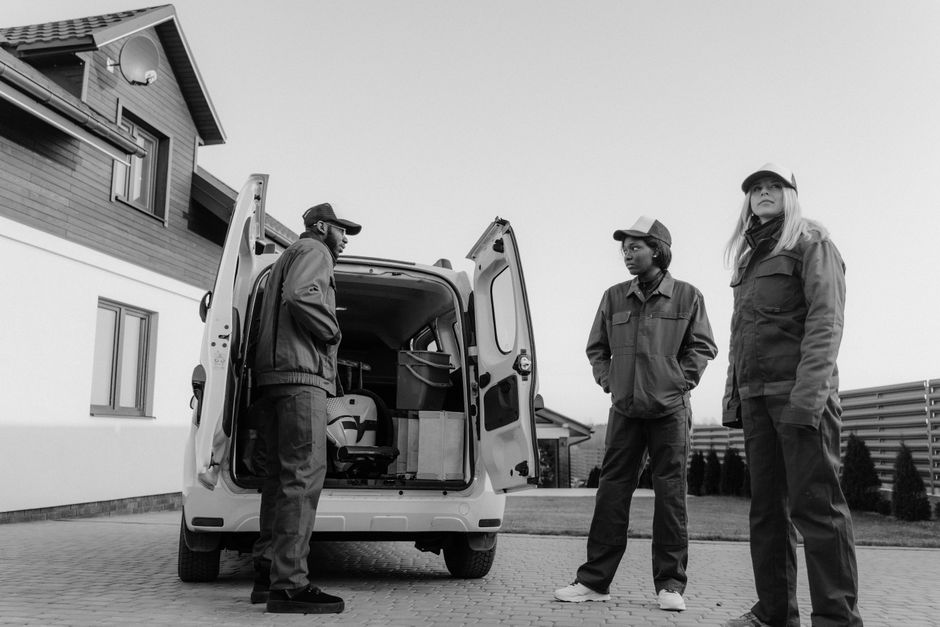
Help determining project difficulty levels and when to hire professional expertise
Understanding Project Difficulty
Not every home improvement project is suitable for DIY work. Understanding the difficulty level, required skills, and safety considerations helps you make informed decisions about which projects to tackle yourself and which require professional expertise.
Project difficulty varies based on multiple factors: specialized tools required, skill level needed, safety risks involved, potential for costly mistakes, and local permit requirements. A realistic assessment prevents injuries, costly damage, and poor results.
Difficulty Tiers Explained
Beginner Projects (Easy)
Time commitment: A few hours to a day | Tools needed: Basic hand tools | Risk level: Low
These projects require minimal specialized skills and pose little risk of costly mistakes or safety issues. Examples include gutter cleaning, minor repairs, and routine maintenance. Most homeowners with basic DIY experience can successfully complete beginner projects with standard tools.
Require only basic hand tools (hammer, screwdriver, wrench)
No specialized equipment or safety equipment beyond standard precautions
Mistakes can usually be corrected or repaired easily
No building permits required
Low injury risk when basic safety practices are followed
Intermediate Projects (Moderate)
Time commitment: 1-3 days | Tools needed: Power tools, specialized equipment | Risk level: Moderate
Intermediate projects require some specialized tools, moderate skill development, and careful attention to detail. Common examples include small repairs, material replacement projects, and work that may involve minor heights or electrical considerations. Success depends on careful planning and following procedures precisely.
Require power tools or specialized equipment
Need foundational DIY knowledge and skill development
Mistakes could be costly to repair or require professional correction
May require permits or inspections depending on scope
Moderate injury risk; specialized safety equipment may be needed
Research, planning, and multiple reference sources needed
Advanced Projects (Expert Only)
Time commitment: Multiple days or weeks | Tools needed: Specialized professional equipment | Risk level: High
Advanced projects typically require professional expertise, specialized equipment, and significant safety considerations. These include full roof replacements, major siding work, structural repairs, and installations at significant heights. Many local codes legally require licensed professionals for these projects.
Require expensive specialized equipment and tools
Demand expert-level skill and years of experience
Mistakes can be extremely costly or create safety hazards
Usually require building permits and professional inspections
Significant injury or property damage risks
May have legal or insurance implications for unlicensed work
Quality directly impacts home value and structural integrity
Assessing Your Skills & Readiness
Honest self-assessment of skills, available time, and risk tolerance helps match projects to your capabilities. Professional teams bring specialized training and experience that ensures quality and safety.
Key Questions Before Starting
Do I have the required tools? Assess if specialized tools must be purchased or rented, and their cost relative to hiring professionals
Have I successfully completed similar projects? Consider your actual DIY track record, not just confidence level
Can mistakes be easily corrected? Evaluate the financial impact and difficulty of fixing problems if they occur
What are the safety considerations? Be realistic about working at heights, with power tools, or in hazardous conditions
Do I have adequate time? Underestimating time is common; projects often take longer than expected
Are permits or inspections required? Check local codes; unpermitted work can affect insurance and home sale
What's my risk tolerance? Consider financial risk, injury potential, and impact on home value
Specific Project Examples
Gutter Maintenance
Typical difficulty: Beginner
Cleaning gutters and downspouts is straightforward and within reach of most homeowners. A ladder, gloves, scoop, and hose are sufficient. The main safety consideration is working safely on a ladder. Regular maintenance prevents larger problems.
Vinyl Siding Repair
Typical difficulty: Intermediate
Replacing damaged siding panels requires matching materials, understanding fastening systems, and attention to weather barriers. You'll need basic power tools and some research. Mistakes can affect weather protection.
Roof Inspection
Typical difficulty: Beginner to Intermediate
Learning to safely climb to your roof and recognize damage patterns is valuable. However, professional inspections are more comprehensive and detect issues you might miss. Many professionals offer affordable inspection services.
Roof Replacement
Typical difficulty: Expert (Professional Only)
Full roof replacement requires specialized safety equipment, shingles or materials knowledge, weather considerations, and building code compliance. Most areas require licensed contractors. Insurance and home value depend on proper installation.
When to Call Professionals
Professional expertise becomes essential for emergency repairs, significant damage, safety-critical work, and any project with building code implications. Specialists bring tools, experience, insurance, and warranties that protect your investment.
Consider hiring professionals when:
Work requires specialized, expensive equipment you don't own
The project involves significant heights or fall hazards
Improper work poses safety risks (electrical, structural, fire hazards)
Building permits are required or code compliance is involved
Mistakes would be extremely costly to repair
Insurance or home sale implications are affected by unpermitted work
Work requires specialized training or licensing by law
Professionals bring valuable advantages: specialized knowledge, proper equipment, insurance coverage, warranties on work, faster completion, building code compliance, and the peace of mind that work meets quality standards. For many homeowners, the investment in professional work is worthwhile.
Explore More Resources
Check out our other guides for detailed information on specific topics, techniques, and real-world project examples.