Understanding Professional Installation Methods
The foundation of any quality home improvement project starts with understanding the fundamentals. Professional roofing and gutter work require careful attention to detail, proper materials selection, and adherence to industry best practices. Whether you're learning about these systems for your own knowledge or considering professional installation, understanding the technical aspects helps you appreciate the complexity involved and make informed decisions about your home's long-term protection.

Gutters serve a critical function in protecting your home. They collect water running off the roof and channel it away from your foundation, walls, and landscaping. When installed correctly with proper pitch and spacing, they prevent water accumulation that could lead to structural damage, basement flooding, or landscaping erosion. Professional installation typically includes seamless construction to eliminate leak points and durable materials selected for your climate.
Roof Storm Damage Assessment & Repair
Storm damage assessment requires a methodical approach to identify all affected areas. Professional inspectors examine not just visible damage, but also potential issues that might develop over time. This comprehensive evaluation looks at shingle integrity, flashing details, chimney sealing, and attic moisture penetration—issues that might not be immediately obvious but could cause significant problems if left unaddressed.
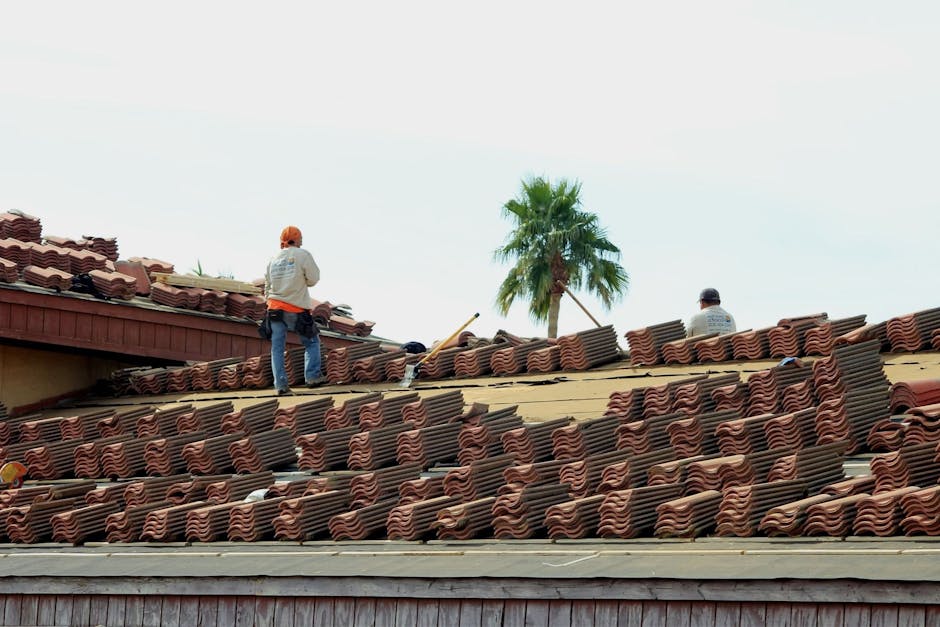
The repair process itself demands attention to proper material selection and installation techniques. Professional-grade materials differ significantly from DIY-level alternatives in durability and longevity. Proper flashing installation—at valleys, vents, and transitions—is especially critical, as these are frequent leak points if not executed correctly. Experienced professionals understand how to work with your insurance documentation and ensure repairs meet building codes and manufacturer specifications.
Siding Installation & Maintenance Standards
Vinyl siding installation involves more than just attaching panels to your home's exterior. Proper installation requires understanding expansion and contraction, maintaining adequate spacing for movement, and ensuring water management through correct flashing and underlayment. The goal is creating a protective barrier that lasts 20-30 years while maintaining the structural integrity of your home's sheathing and framing.
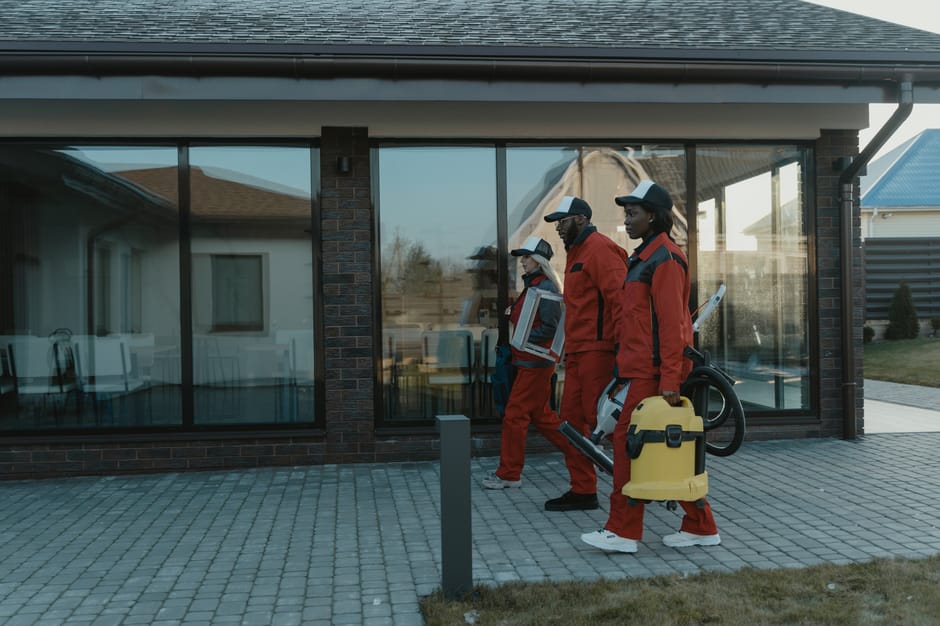
Maintenance considerations start before installation even begins. Choosing the right material for your climate, understanding color fade patterns, and planning for potential future repairs all factor into a successful installation. Professional installers can guide you through material options—from traditional vinyl to fiber cement—and help you understand the long-term maintenance implications of each choice. Regular cleaning and inspection helps catch issues before they become expensive problems.
Emergency Roof Repair: Temporary & Permanent Solutions
Emergency situations demand rapid response but also careful planning to prevent further damage. Temporary solutions—tarping, water removal, structural support—address immediate concerns while permanent repairs are planned. Professional emergency response includes damage assessment, insurance documentation, and a clear timeline for getting your home back to normal. The key difference between quick-fix approaches and professional work is longevity and assurance that repairs won't fail prematurely.
Permanent repairs should address not just visible damage but underlying issues. A water-damaged roof deck needs replacement, not just new shingles. Compromised flashing needs complete reinstallation, not temporary patching. Professional contractors understand the difference between emergency mitigation and permanent repair, and they approach both with appropriate urgency and methodology. Your home's value and safety depend on this distinction.
Window Installation & Weather Sealing
Window installation represents one of the most common areas where DIY approaches fail. Poor installation leads to water infiltration, air leaks, and structural damage that far exceeds the cost of proper installation. Professional window installation includes proper flashing, insulation, caulking, and integration with existing exterior systems to create an effective thermal and moisture barrier.
The difference between windows that last 15 years and windows that function for 30+ years often comes down to installation quality. Professional installers understand how to work with different wall types, climates, and existing conditions. They know where to caulk, where to leave intentional gaps for drainage, and how to integrate windows with siding, flashing, and trim systems. This expertise prevents the subtle failures—like water running behind trim or cold air leaking through corners—that make homes uncomfortable and expensive to heat and cool.
Key Takeaways for Home Maintenance
- Professional assessment matters. Regular inspections from experienced professionals catch issues before they become expensive problems.
- Material selection impacts longevity. Higher-grade materials may cost more initially but deliver better long-term value and performance.
- Installation quality is critical. Poor installation undermines even the best materials and creates hidden problems that emerge years later.
- Code compliance ensures safety. Professional work follows building codes that protect your family and home value.
- Documentation enables future work. Professional installation includes warranties and documentation that help with insurance claims and future repairs.
Understanding these techniques and best practices helps you make informed decisions about your home. Whether you're planning maintenance, considering upgrades, or evaluating repair options, knowing what goes into professional work ensures you can assess contractors and expect quality results. The Joist shares this knowledge to help homeowners understand the value of proper installation and maintenance for their most important asset.